
Delray Beach Monthly Home Maintenance Checklist: Season by Season
Protect your Delray Beach property year-round with our South Florida seasonal home maintenance checklist tailored for high humidity, salt air, and storm seasons.
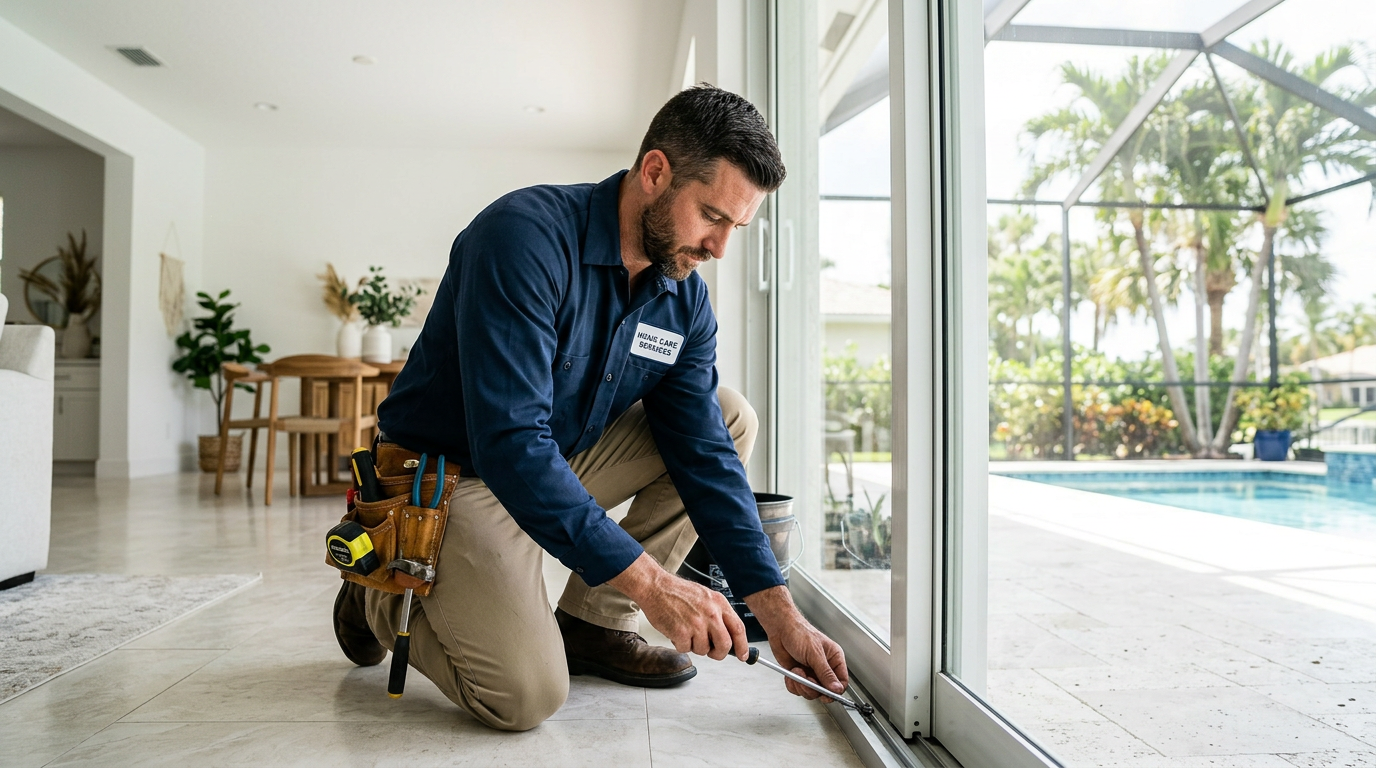
In Delray Beach, routine home maintenance typically costs between $150 and $450 per month, while deferring basic care on a coastal concrete block stucco (CBS) home often results in emergency repairs exceeding $8,000 per year in water damage remediation, structural wood rot, and salt-air corrosion. Executing a month-by-month preventative maintenance routine helps keep total annual upkeep expenses between $1,800 and $3,200 for standard single-family homes in neighborhoods like Lake Ida, Tropic Isle, and Kings Point. By tackling specific tasks before South Florida's rainy, hurricane, and snowbird seasons peak, homeowners can avoid structural issues and costly emergency calls.
Navigating South Florida's Four Maintenance Seasons
Unlike northern regions with distinct spring, summer, fall, and winter shifts, home maintenance in Delray Beach is governed by humidity, tropical storms, and seasonal occupancy patterns. Understanding how climate forces affect coastal building materials is key to preserving property value.
- The Dry Season (November – February): Ideal for exterior upgrades, masonry sealing, paint touch-ups, and structural repairs while humidity is lower.
- The Pre-Rainy Transition (March – May): Focuses on roof inspections, drainage clearance, A/C tune-ups, and window sealing before high heat and monsoon-like downpours arrive.
- Peak Storm & Humidity Season (June – September): Centers on moisture control, mold prevention, storm shutter preparation, and wind resistance.
- Post-Storm & Snowbird Arrival (October): Involves exterior cleanup, post-rain structural checks, and prepping properties for returning seasonal residents.
Key takeaway: South Florida weather destroys home materials through perpetual humidity and salt exposure rather than freezing temps. Preventing water intrusion through cracks in stucco or failed seals around openings is your most critical monthly task.
Month-by-Month Delray Beach Home Maintenance Schedule
January: Dry Season Exterior Checks & Door Inspections
With lower humidity and pleasant temperatures, January is the optimal month to walk the exterior perimeter of your home.
- Inspect Stucco and CBS Walls: Check for hairline expansion cracks along outer walls, especially on south- and west-facing elevations exposed to intense sun. Moisture entering stucco cracks can rust interior rebar, leading to expensive spalling repairs.
- Examine Exterior Doors and Weatherstripping: Salt-laden winds degrade rubber door gaskets quickly. Check entry doors for drafts or light leaks. If wood or metal frames are misaligned due to coastal settling, scheduling a timely door repair prevents humid air from leaking into your air-conditioned living space.
- Clean A/C Condensate Line: Pour 1 cup of white vinegar down your air conditioner’s T-pipe to eliminate algae buildup that thrives during cooler indoor cycles.
February: Mechanicals, Fans, and Interior Humidity
February brings dry air outside, making it the right time to audit interior environmental systems.
- Check Interior Ceiling Fans: Ceiling fans lower felt room temperatures by 4 degrees. Clean dust accumulation off blades and verify that motor housings run quietly without wobbling. If rooms lack proper airflow, upgrading fixtures with a professional ceiling fan installation reduces reliance on your HVAC unit.
- Inspect Attic Space: Walk your ceiling line for sign of yellow water rings or drywall staining. Catching roof leaks early protects your ceiling joists before spring rains arrive.
- Flush Water Heater: Drain sediment buildup from the bottom of your water heater tank to extend its lifespan against Delray Beach's hard water mineral content.
March: Pressure Washing & Exterior Surfaces
March brings heavy pollen and airborne ocean salts that accumulate on exterior finishes.
- Wash Stucco, Driveways, and Walks: Salt air residue traps moisture against painted stucco, accelerating paint failure. Scheduling seasonal pressure washing clears salt crust, mold spores, and grime from driveways, pool decks, and entry steps.
- Inspect Decking and Docks: For waterfront properties in Tropic Isle or along the Intracoastal, inspect wooden or composite dock decks for loose fasteners, splintering, or rotting support joists. Addressing deck framing issues early through structural deck repair avoids major rebuild costs later.
- Test Irrigation Systems: Verify sprinkler heads spray away from your home's foundation and stucco walls to avoid rust-staining and wall erosion.
April: Pre-Rainy Season Drainage & Sealants
As humidity rises in late spring, focus on sealing the building envelope against water intrusion.
- Clean Gutters and Downspouts: Clear palm fronds, pine needles, and debris from gutters. Ensure downspouts extend at least 3 feet away from your foundation.
- Check Window Caulking: Inspect silicone seals around impact and non-impact windows. Sunlight breaks down exterior caulking within 3–5 years. If window frames leak or tracks collect standing water, getting a quick window repair keeps wind-driven rain outside.
- Service Emergency Generators: Run portable or standby generators under load to ensure they start reliably before storm season starts.
Key takeaway: Over 80% of interior water damage during summer storms enters through failing window caulking, clogged gutter valleys, or degraded exterior door sweeps, rather than direct roof punctures.
May: Hurricane Readiness & Structural Anchors
May is your deadline for full tropical storm preparation across all exterior structures.
- Test Hurricane Shutters and Panels: Lubricate shutter tracks, clear debris from panel channels, and conduct a full test installation. Replace missing wing nuts or rusted track bolts.
- Inspect Fences and Gates: Wind forces exert massive pressure on privacy fences during summer thunderstorms. Inspect wood or vinyl posts for ground rot or loose brackets. Booking targeted fence repair strengthens your boundary lines before tropical-force winds hit.
- Trim Overhanging Trees: Cut back heavy coconut palm fronds and branches within 10 feet of your roof line or power main.
June: Moisture Defense & Interior Water Protection
June marks the official start of hurricane season and brings high indoor humidity.
- Check Tile and Grout: Heavy humidity encourages mold growth inside showers and tiled floors. Inspect grout lines for cracks where water can seep into cement board or drywall. Performing proactive tile repair prevents subfloor rot and tile popping.
- Inspect Cabinet Under-Sink Plumbing: Look under kitchen and bathroom sinks for slow leaks, corroded shut-off valves, or soft cabinet bottoms. Small plumbing drips behind cabinetry quickly breed dark mold under high summer temperatures.
- Monitor Indoor Humidity: Ensure indoor humidity remains below 55% using your A/C thermostat or standalone dehumidifiers to protect drywall finishes.
July: Mid-Summer HVAC & Drywall Audits
With A/C systems running constantly, July focuses on interior cooling efficiency and wall integrity.
- Change A/C Filters Monthly: Replace pleated air filters every 30 days during peak summer to prevent system freeze-ups.
- Check Ceiling Drywall for Stress Cracks: Extreme thermal expansion between hot attics and air-conditioned living spaces causes structural drywall cracking along seams. If moisture or settling creates gaps, expert drywall repair restores integrity and prepares walls for fresh paint.
- Clean Fridge Coils: Vacuum dust off refrigerator coils to keep compressors running efficiently during high ambient kitchen temperatures.
August: Peak Humidity & Mold Prevention
August brings South Florida's highest heat and moisture index values.
- Inspect Bath Exhaust Fans: Ensure exhaust fans vent completely outside and aren't blowing humid air directly into your attic space.
- Verify Garage Door Seals: High winds push heavy rain under garage doors. Check the bottom rubber bulb seal and side weatherstripping for tears.
- Check Wet Area Fixtures: Inspect caulking along bathtubs, counters, and backsplashes. Scheduling minor bathroom repairs or fresh re-caulking protects underlying wall boards from humidity damage.
September: High-Storm Season Vigilance
September represents the climatological peak of the Atlantic hurricane season.
- Clear Yard Debris Weekly: Keep lawns clear of loose items, garden pots, and dead branches that could turn into windborne projectiles.
- Audit Plumbing Shut-Off Valves: Test main water shut-off valves inside and outside the home so you can shut off water quickly during major storm evacuations.
- Inspect Attic Space After Heavy Downpours: Check the undersides of roof decking for damp spots after prolonged rain events.
October: Post-Storm Cleanup & Transition Prep
As storm activity slows down and humidity drops slightly, assess summer wear-and-tear.
- Inspect Roof Tiles and Shingles: Check your roof visually from the ground for cracked barrel tiles or missing asphalt shingles following summer storms.
- Flush Exterior Drains and Swales: Clean out yard swales and French drain grates filled with summer lawn clippings and silt.
- Prepare for Snowbird Arrivals: If managing a seasonal rental or second home in Delray Beach, run plumbing fixtures, check alarm batteries, and audit door locks before owners or tenants arrive.
November: Dry Season Painting & Wood Preservation
November brings low rainfall and comfortable working conditions for exterior updates.
- Apply Exterior Paint & Touch-ups: Protect raw wood fascia, trim, and exterior doors. Utilizing professional painting services during dry months ensures proper paint adhesion and long-term protection against UV breakdown.
- Inspect Fascia and Soffits: Check wooden and aluminum soffits for signs of squirrel entry, termite damage, or rot caused by summer rains.
- Service Sliding Glass Door Tracks: Clean ocean sand and dirt out of door tracks to prevent brass roller failure.
December: Holiday Prep & Annual Review
End the year by taking care of essential updates and safety checks.
- Inspect Smoke and CO Detectors: Replace batteries in all ceiling units and test alarm sounders.
- Audit Household Fixtures: Update outdated hardware or complete overdue interior tasks through dedicated property maintenance to start the new year fresh.
- Check Outdoor Lighting: Clean salt residue off landscape fixtures and replace blown spotlight bulbs along driveways and entry paths.
Estimated 2026 Home Maintenance Costs in Delray Beach
Budgeting accurately for local labor and materials helps keep your home in peak shape. Here are standard 2026 cost ranges for typical maintenance services across Palm Beach County:
| Maintenance Task | Recommended Frequency | Estimated Local Cost (2026) | DIY vs. Pro Recommendation |
|---|---|---|---|
| Exterior Stucco & Surface Pressure Washing | Bi-annually | $250 – $550 | Pro Recommended (prevents stucco damage) |
| Door Weatherstripping & Frame Alignment | Annually | $150 – $350 | Pro Recommended |
| Drywall Moisture Patching & Texture Matching | As Needed | $200 – $600 | Pro Recommended |
| Ceiling Fan Replacement & Installation | As Needed | $150 – $300 | Pro Recommended (attic wire safety) |
| Fence Panel Repair & Post Stabilization | Bi-annually | $225 – $550 | Pro Recommended |
| Exterior Trim Touch-ups & Painting | Every 2–3 Years | $350 – $900 | Pro Recommended |
Local Realities: CBS Construction, HOAs, and Salt Air
Homeowners in Delray Beach face structural requirements and neighborhood rules distinct from inland Florida communities:
- Concrete Block Stucco (CBS) Care: CBS homes withstand high hurricane winds but trap water inside core pockets if stucco paint cracks or exterior sealants fail. Annual inspections of your exterior envelope protect structural integrity.
- Strict HOA Architectural Standards: Communities like Mizner Country Club, Kings Point, and Lake Ida HOAs enforce strict guidelines regarding paint colors, visible fence repairs, and lawn maintenance. Always verify HOA approval requirements before initiating visible exterior repairs.
- Salt Air Corrosion: Properties located east of Military Trail, particularly near Pineapple Grove and Ocean Boulevard, experience accelerated corrosion on metal hardware, light fixtures, and exterior screws. Marine-grade stainless steel or powder-coated aluminum hardware should always be specified for outdoor repairs.
Get a free estimate
Protecting your Delray Beach home year-round requires consistent upkeep tailored to South Florida's climate. Whether you need help prepping for hurricane season, repairing moisture-damaged drywall, or fixing sticking exterior doors, Palm Handyman delivers reliable workmanship back by local expertise.
Call (561) 299-0890 today or book online to request a free project estimate!
Need a handyman in Palm Beach County?
Get a free written estimate in minutes. Same-day appointments available across PBC.
Related services
Frequently asked questions
Most jobs start at $95 for the first hour with transparent flat-rate pricing on common tasks like TV mounting ($129), ceiling fans ($149), and drywall patches ($95). You'll always get a clear quote before any work begins — no hidden fees.
Yes. We reserve same-day and next-day appointments across Boca Raton, Delray Beach, Boynton Beach, West Palm Beach, Palm Beach Gardens, Jupiter, Lake Worth, and Wellington. Call us before noon for same-day availability.
Absolutely. Palm Handyman is fully licensed in Florida and carries $2M general liability plus workers' comp on every technician. We'll send the COI directly to your HOA or property manager on request.
We cover all of Palm Beach County including Boca Raton, Delray Beach, Boynton Beach, West Palm Beach, Palm Beach Gardens, Jupiter, Lake Worth, Wellington, Palm Beach Island, Manalapan, and Highland Beach.