
Delray Beach Seasonal Home Maintenance Checklist & Cost Guide
Protect your Delray Beach home year-round with our South Florida maintenance calendar, covering salt air care, hurricane prep, humidity control, and local service costs.
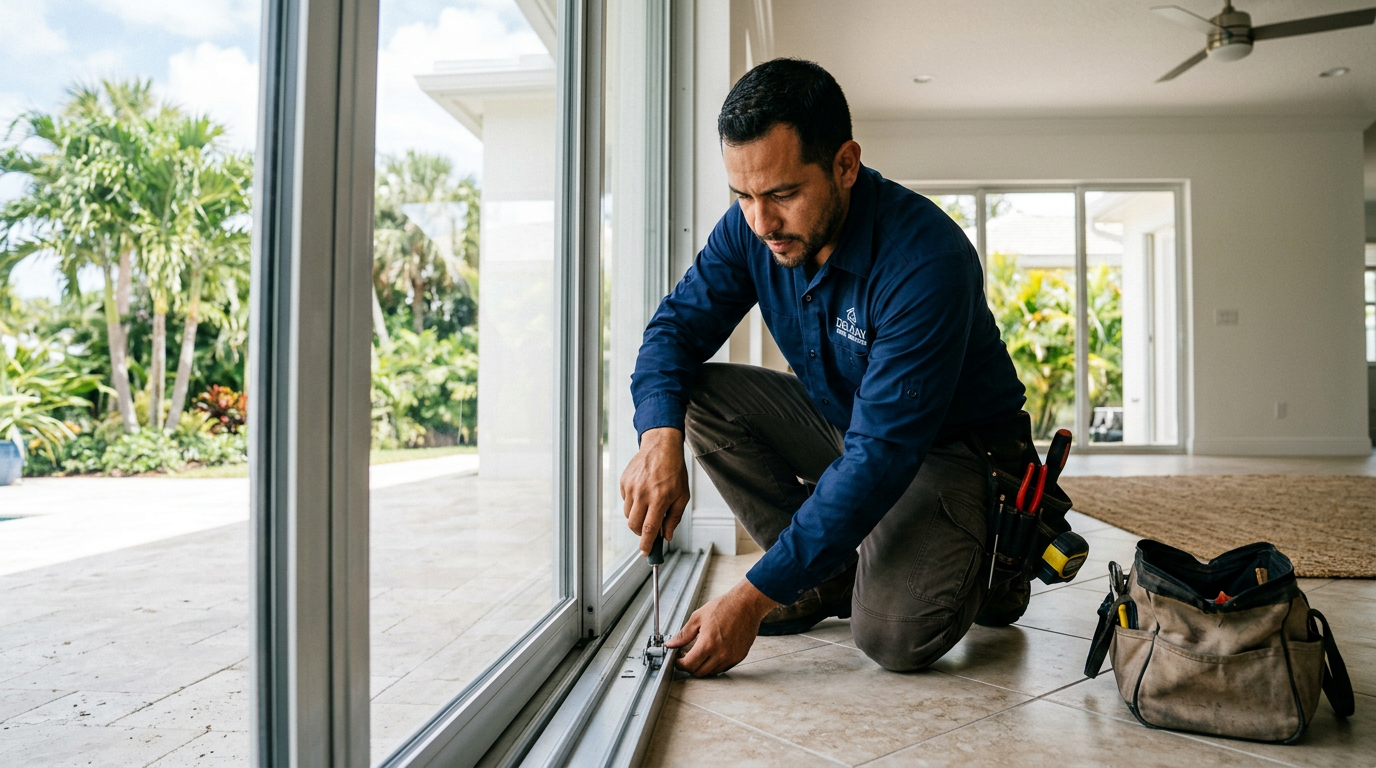
In Delray Beach, Florida, routine home maintenance costs between $150 and $400 per month ($1,800 to $4,800 annually) for standard concrete block single-family homes, while larger coastal estates or historic properties in neighborhoods like Lake Ida or Tropic Isle average $450 to $850 per month. Professional preventive maintenance services range from basic monthly safety inspections at $120–$250 to comprehensive seasonal tune-ups costing $350–$750. Staying ahead of South Florida’s salt air, intense UV exposure, torrential rain, and extreme humidity protects structural concrete, HVAC performance, and exterior finishes against costly emergency repairs.
2026 Delray Beach Preventive Maintenance & Repair Price Guide
Staying proactive with home maintenance in Delray Beach prevents minor wear from escalating into major structural remediation. The cost breakdown below reflects realistic 2026 local pricing for typical single-family home maintenance tasks across Palm Beach County.
| Maintenance Task / Service | Recommended Frequency | Estimated Delray Beach Cost (2026) |
|---|---|---|
| Exterior Pressure Washing (Driveway, Stucco, Patio) | 1–2x / year | $250 – $450 |
| Weatherstripping & Exterior Door Seal Replacement | Annual | $120 – $280 |
| Window Track Cleanout, De-corrosion & Lubrication | 2x / year | $95 – $190 |
| Roof Flashing, Soffit & Fascia Inspection/Repair | Annual / Pre-storm | $200 – $500 |
| HVAC Drain Line Flush & AC Closet Inspection | Monthly / Quarterly | $75 – $150 |
| Tile Grout Sealing & Minor Caulking | Annual | $175 – $350 |
| Full Home Preventive Maintenance Inspection | 2x / year | $250 – $450 |
Understanding the Delray Beach Microclimate & Home Architecture
Maintaining a home in Delray Beach requires an understanding of South Florida’s unique environmental pressures. Properties located east of Swinton Avenue and along the Intracoastal Waterway deal with aggressive salt spray that accelerates hardware oxidation and degrades exterior paint. Meanwhile, homes in inland gated communities such as Rainberry Bay, Kings Point, or Mizner Country Club face intense heat, clay soil movement, and strict HOA architectural guidelines.
Most homes in the region feature concrete block structure (CBS) with an exterior stucco finish and concrete barrel tile roofing. While CBS homes offer exceptional wind resistance during hurricane season, stucco is prone to hairline settling cracks. If left unsealed, summer cloudbursts drive moisture deep into the block, blistering interior paint and encouraging mold growth behind drywall. Maintaining water-tight seals across every exterior penetration is your home's primary line of defense.
Key takeaway: High indoor humidity in Delray Beach allows mold to develop within 24 to 48 hours of an undetected roof or door seal leak; inspecting seals monthly saves thousands in drywall and structural repairs.
Dry Season Maintenance Schedule (November Through February)
The South Florida dry season offers lower humidity, milder temperatures, and reduced rainfall. It is the ideal window for exterior repairs, structural touch-ups, and preparing your property for winter guests or snowbird arrivals.
November: Post-Hurricane Cleanout & Roof Line Audit
- Inspect Roof & Soffits: Walk the perimeter to check tile alignment, metal flashing integrity, and perforated vinyl or aluminum soffits for pest intrusion or wind displacement.
- Clear Drainage Paths: Remove accumulated leaves, palm fronds, and debris from roof valleys, gutters, and downspout splash blocks.
- Seal Exterior Stucco Cracks: Inspect walls for hairline expansion cracks. Use exterior elastomeric caulk to seal openings before winter cold fronts bring unexpected showers.
December: HVAC Efficiency & Indoor Moisture Control
- Flush AC Condensate Lines: Pour white vinegar down your air conditioner’s drain line to prevent algae clogs—the leading cause of indoor AC overflow floods.
- Inspect Mechanical Closet: Check around the air handler for signs of standing water, rust on the drip pan, or duct condensation.
- Test Indoor Humidity Levels: Ensure your digital humidistat maintains indoor relative humidity between 45% and 55% to protect wood cabinetry and interior trim.
January: Exterior Doors & Entryway Seals
- Check Door Weatherstripping: Coastal winds and UV rays dry out rubber door sweeps and side seals. Inspect front entries, patio doors, and side garage doors for light gaps.
- Lubricate Locksets & Hinges: Apply silicone lubricant to exterior locks, deadbolts, and door hinges to dissolve airborne salt crust.
- Schedule Door Repairs: If sliding patio doors stick or bind on their tracks, book a professional door repair service to replace corroded stainless steel rollers before track damage occurs.
February: Patios, Tile & Deck Inspections
- Audit Outdoor Living Surfaces: Inspect travertine, pavers, and exterior tile for loose grout, cracked tiles, or lifted pavers caused by palm root growth.
- Seal Pool Deck Joints: Clean and re-seal expansion joints surrounding pool decks to prevent water from undermining the sub-base concrete.
Spring Transition Checklist (March Through May)
Spring brings rising temperatures, heavy pollen cycles, and early afternoon thunderstorms. Focus on washing away winter salt deposits and preparing your cooling systems for non-stop summer operation.
March: Exterior Washdown & Mold Mitigation
- Pressure Wash Surfaces: Schedule thorough pressure washing for concrete driveways, stucco walls, walkways, and screen enclosures to eliminate black algae and mildew growth.
- Clean Screen Enclosure Hardware: Inspect pool cages and patio screens for loose tapcon fasteners, torn mesh, or frame oxidation.
April: Windows, Shutters & Impact Glass Maintenance
- Clean Window Tracks: Vacuum dirt, sand, and dead insects from impact window tracks. Wash stainless steel balances with fresh water and spray with non-greasy dry silicone.
- Inspect Window Operability: Ensure all casement and single-hung windows lock tightly. If windows leak air or stick inside their frames, address them promptly with professional window repair.
- Lubricate Hurricane Shutters: Test accordion shutters or roll-down impact screens. Spray tracks and lock mechanisms with dry lube so they slide smoothly during a storm warning.
May: Landscape Clearance & Pre-Rainy Season Drainage
- Trim Trees Away from Structures: Cut back hardwood branches and heavy coconut palms at least six feet from rooflines and exterior power lines.
- Check Catch Basins & Yard Drains: Ensure yard drain grates in low-lying lawns are free of dirt and lawn clippings.
Key takeaway: Cleaning salt deposits off sliding door tracks and window operators twice during the dry season prevents stainless steel rollers from seizing up under Atlantic coastal winds.
Rainy & Hurricane Season Checklist (June Through August)
From June 1 through November 30, South Florida experiences high humidity, daily rain showers, and potential tropical storms. Maintenance shifts toward water management and structural storm security.
June: Drainage & Foundation Protection
- Audit Foundation Slope: Verify that soil and flowerbeds slope away from your concrete foundation slab to keep heavy rainfall from pooling against stucco walls.
- Inspect Exterior Hose Bibs & Fixtures: Check spigots, outdoor shower valves, and exterior lighting mounts for degraded silicone seals.
July: Mid-Summer Indoor Leak Audit
- Check Under-Sink Plumbing: Inspect garbage disposals, supply lines, and drain traps inside kitchen and bathroom cabinets for subtle drips.
- Inspect Ceiling Surfaces: Look for dark rings or dry water spots on ceilings beneath upper-level bathrooms or roof valleys.
August: Pre-Storm Hardware & Security Prep
- Test Battery Backup Systems: Replace batteries in smoke detectors, carbon monoxide alarms, and garage door emergency keypads.
- Inspect Garage Door Seals: Ensure the bottom rubber seal of your wind-rated garage door forms a tight barrier against driving rain.
Late Summer & Moisture Management (September Through October)
As summer winds down, extreme ground saturation and humidity peak across Delray Beach. Moisture control remains your highest priority.
September: Salt Air Washdown & Indoor Tile Check
- Rinse Exterior Metalwork: Spray down metal light fixtures, gate hinges, aluminum railings, and outdoor kitchen hardware with fresh water to remove accumulated salt layer.
- Check Bathroom Exhaust Fans: Clean dust buildup off exhaust fan covers to ensure maximum CFM airflow for humidity removal during showers.
October: Annual Property Maintenance & Snowbird Audit
- Complete Home Maintenance Walkthrough: Catch up on small repairs before winter. Hiring a dedicated property maintenance specialist allows you to address punch-list items like cabinet door alignment, dry-seal repairs, and hardware upgrades in a single visit.
- Prepare Vacant Homes (For Seasonal Residents): If leaving Delray Beach for the season, set humidistats to 50–55%, shut off the main water supply valve, and run food disposals with mineral oil.
Navigating HOA Rules & Florida Building Codes in Delray Beach
When conducting home maintenance in Delray Beach, keep local requirements top of mind:
- HOA Paint & Material Approvals: Gated communities like Lake Ida estates or Mizner Country Club require pre-approval for exterior paint colors, pressure washing standards, and roof tile replacements.
- Florida Building Code (FBC) Compliance: Any structural window, door, or garage replacement must meet high-velocity hurricane zone (HVHZ) impact standards or local Delray Beach wind-load criteria.
- Permitting Rules: Minor handyman repairs, door hardware updates, and maintenance do not require permits, but full window replacements, structural drywall overhauls, and electrical panel upgrades do.
Get a free estimate
Need help completing your Delray Beach home maintenance checklist? Contact Palm Handyman today for expert, licensed, and reliable local service. Call (561) 299-0890 or book online to schedule your seasonal maintenance service or request a free estimate.
Need a handyman in Palm Beach County?
Get a free written estimate in minutes. Same-day appointments available across PBC.
Related services
Frequently asked questions
Most jobs start at $95 for the first hour with transparent flat-rate pricing on common tasks like TV mounting ($129), ceiling fans ($149), and drywall patches ($95). You'll always get a clear quote before any work begins — no hidden fees.
Yes. We reserve same-day and next-day appointments across Boca Raton, Delray Beach, Boynton Beach, West Palm Beach, Palm Beach Gardens, Jupiter, Lake Worth, and Wellington. Call us before noon for same-day availability.
Absolutely. Palm Handyman is fully licensed in Florida and carries $2M general liability plus workers' comp on every technician. We'll send the COI directly to your HOA or property manager on request.
We cover all of Palm Beach County including Boca Raton, Delray Beach, Boynton Beach, West Palm Beach, Palm Beach Gardens, Jupiter, Lake Worth, Wellington, Palm Beach Island, Manalapan, and Highland Beach.