
Jupiter Monthly Home Maintenance Checklist & Schedule
Essential month-by-month home maintenance checklist designed for Jupiter homes, protecting CBS structures, tile roofs, and exterior finishes from local weather.
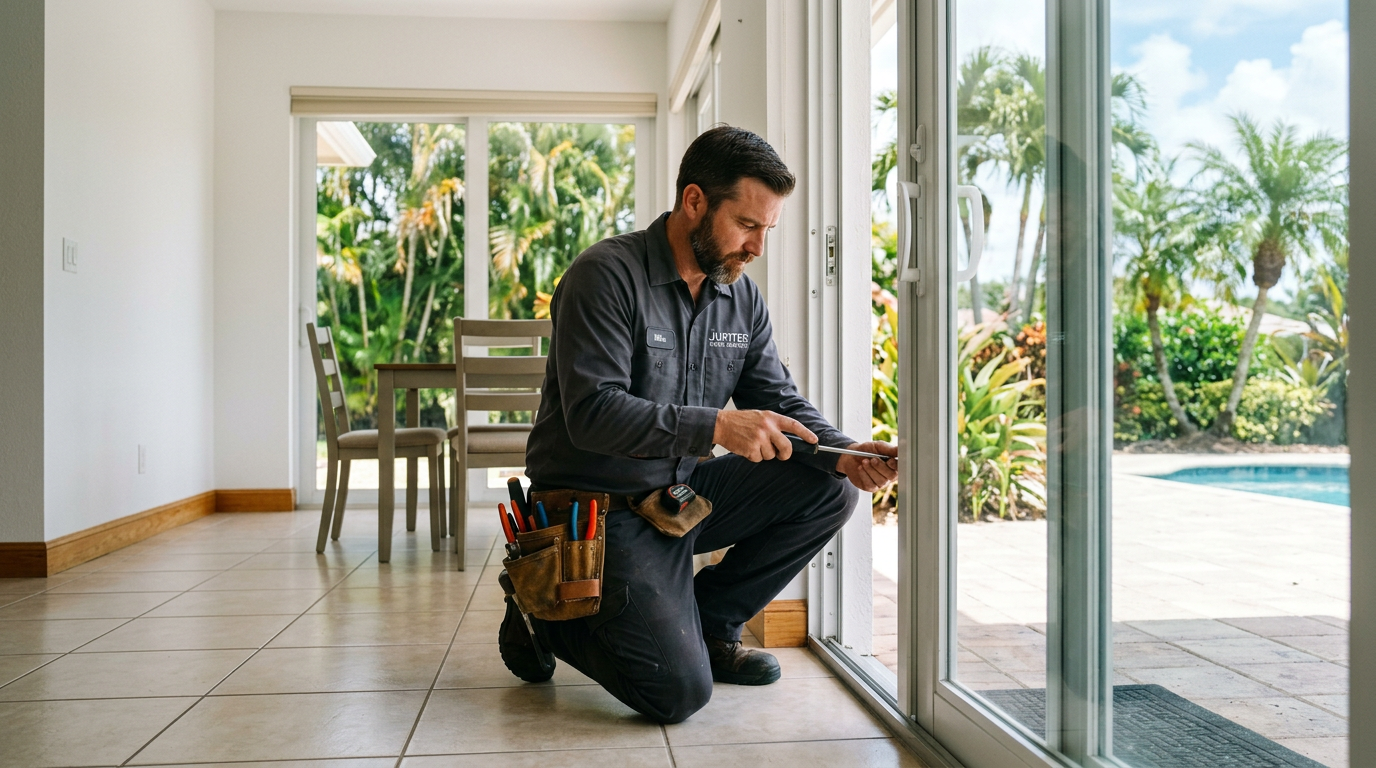
In Jupiter, Florida, comprehensive year-round property maintenance typically costs between $1,500 and $4,200 annually for a standard 2,500-square-foot home, depending on whether you manage tasks yourself or hire a professional technician. Following a structured monthly home maintenance schedule tailored to South Florida's salt air, high humidity, and hurricane cycles prevents expensive structural repairs to concrete block construction (CBS), barrel tile roofs, and exterior stucco finishes. Allocating roughly $120 to $350 per month covers critical preventive care like sliding glass door track clearings, A/C condensate line flushes, exterior pressure cleaning, and seasonal seal replacements.
Why South Florida Maintenance Requirements Differ in Jupiter
Homeownership along the Loxahatchee River or coastal corridors like Jupiter Inlet Colony presents unique environmental challenges compared to inland Florida properties. The combination of intense ultraviolet rays, sub-tropical humidity, seasonal downpours, and wind-borne sea salt creates an environment that accelerates structural and cosmetic degradation.
Most Jupiter residences in communities like Abacoa, Egret Landing, and Jonathan's Landing utilize concrete block construction with stucco exteriors and concrete or clay tile roofing. While these materials offer exceptional defense against tropical storms, they require specialized upkeep. Stucco naturally develops hairline expansion cracks that admit moisture during the summer deluge, leading to interior drywall damage if left unsealed. Meanwhile, salt air corrodes exposed metal hardware, degrades window seals, and causes sliding door rollers to seize.
Establishing a routine property maintenance plan keeps your property compliant with strict neighborhood HOA covenants and protects your long-term equity from sub-tropical wear and tear.
Key takeaway: South Florida's coastal climate attacks homes from the outside in. Monthly preventive maintenance targeting salt removal, moisture barrier integrity, and drainage prevents mid-season system failures and costly insurance claims.
South Florida Seasonal Breakdown: The Four Local Seasons
Unlike traditional northern climates with four distinct temperature shifts, Jupiter operates on four weather-driven cycles:
- The Dry & Snowbird Season (January – March): Mild temperatures and lower humidity make this the ideal window for major exterior upgrades, paint prep, and structural walk-throughs.
- The Transition & Early Prep Season (April – June): Rising heat and early humidity signal the mandatory preparation phase for hurricane season and heavy air conditioning demands.
- The Rainy & Peak Hurricane Season (July – September): High humidity, daily afternoon downpours, and peak tropical storm activity require vigilant drainage, mold prevention, and leak monitoring.
- The Post-Storm & Winterizing Season (October – December): Temps cool off, northern residents return, and homes require post-storm exterior cleaning and general seasonal checkups.
Month-by-Month Jupiter Home Maintenance Checklist
January: Dry Season Exterior Walkthrough & Roof Checks
- Inspect Concrete Stucco & Paint: Walk the exterior perimeter of your home. Check for fine hairline cracks in the stucco finish, particularly around window frame corners and foundation lines. Seal minor fissures with elastomeric masonry caulk before summer rains hit.
- Examine Tile Roof Integrity: Inspect your barrel tile or concrete tile roof from ground level or hire a professional. Look for cracked, slipped, or missing tiles, as well as accumulated debris in roof valleys.
- Clear Gutters and Downspouts: Remove fallen leaves from oak and pine trees to ensure unobstructed flow toward discharge zones away from your slab foundation.
February: Windows, Doors & Salt Air Decontamination
- Clean & Lubricate Track Systems: Salt air causes friction and rust in door rollers. Clean patio track channels and lubricate tracks with silicone spray. Schedule professional door repair if doors stick or jump track.
- Inspect Window Caulking & Seals: Inspect rubber seals and exterior caulking surrounding frame perimeters. Defective sealant allows wind-driven rain to penetrate wall cavities during tropical events. Perform needed window repair promptly.
- Flush A/C Condensate Line: Pour one cup of white vinegar down the primary A/C drain line access tee to dissolve algae buildup and prevent backup overflows into your home.
March: Interior Systems & Energy Efficiency
- Ceiling Fan Maintenance: Dust blades and reverse blade rotation counterclockwise for summer cooling efficiency. If fans wobble or squeak, book a ceiling fan installation or balancing service.
- Test Smoke and Carbon Monoxide Detectors: Replace batteries in all ceiling units and test test-alarm sirens.
- Service Garage Door Mechanisms: Spray garage door springs, hinges, and track rollers with a non-tacky lithium grease. Verify auto-reverse safety sensors are properly aligned.
Key takeaway: Servicing A/C drain lines monthly and lubricating sliding glass door tracks every 60 days will eliminate over half of the common emergency repair calls Jupiter homeowners make during summer months.
April: Pre-Hurricane Exterior & Shutter Prep
- Test Hurricane Shutters: Unfold, lower, or mount your hurricane panels, accordion shutters, or motorized screens. Lubricate accordion tracks with clear silicone spray and clear debris from bottom guide channels.
- Inspect Tree Canopy Distance: Trim palm fronds, coconut trees, and heavy hardwood branches away from your roofline, power service drops, and screened pool cages.
- Examine Pool Screen Enclosure: Check metal enclosure frame fasteners (tapestuds) for rust. Tighten loose screen spline cables and patch torn panel screens.
May: A/C System Optimization & Moisture Protection
- Replace HVAC Filters: Change air handler return filters. Upgrade to high-MERV rated filters to catch spring pollen and humidity-borne spores.
- Inspect Attic Insulation & Ventilation: Ensure attic soffit vents remain unobstructed to allow continuous airflow, reducing heat retention that overworks your cooling unit.
- Check Plumbing Shutoff Valves: Exercise main water valves, toilet angle stops, and sink supply shutoffs under vanity cabinets to prevent mechanical binding when emergency shutoffs are needed.
June: Heavy Rain Prep & Outdoor Surface Washing
- Perform Exterior Washing: Clean organic algae, mildew, and salt residues off your driveway, sidewalks, pool deck, and entryway using professional pressure washing solutions to satisfy local HOA guidelines.
- Verify Yard Drainage & Swales: Ensure yard grading slopes away from your foundation. Check that street swales and rear drainage easements remain unblocked by lawn debris.
- Inspect Attic Space After First Heavy Rain: Enter the attic following an afternoon storm to check for roof decking leaks, damp insulation, or water staining around plumbing vent stacks.
July: Peak Humidity & Indoor Environmental Control
- Monitor Indoor Humidity Levels: Set your thermostat or humidistat between 45% and 55% relative humidity to prevent indoor mold growth inside closets and unused guest bedrooms.
- Flush Condensate Line (Mid-Summer): Repeat the vinegar flush treatment on your central cooling system's drain line to stop summer algae blooms.
- Inspect Kitchen and Bath Plumbing Seals: Check kitchen sink disposal flanges, drain traps, and cabinet bases for hidden leaks. Address necessary kitchen repairs early.
August: Storm Standby & Emergency Preparedness
- Verify Generator & Emergency Power: Run portable generators under load for 20 minutes. Inspect fuel lines and confirm fresh fuel stores are kept in rated containers.
- Secure Outdoor Fixtures: Inspect mounting hardware on exterior lantern fixtures, hose bib brackets, and mailbox posts. Tighten loose anchors into concrete walls.
- Review Emergency Supply Kit: Replenish battery stockpiles, flashlights, water reserves, and tarp supplies before peak storm windows open.
September: Mid-Storm Season Monitoring
- Check Interior Walls for Water Stains: Inspect drywall under window sills and near sliding glass doors for discoloration or softening. Schedule drywall repair immediately if water entry is detected.
- Monitor Exterior Paint Condition: Note areas where paint is chalking, flaking, or peeling under intense UV exposure, as paint acts as the primary waterproofing layer over exterior stucco.
- Check Exhaust Vents: Clean dryer vent ducts running to outside louvers to clear lint traps that gather damp moisture.
October: Post-Storm Assessment & Cool-Down Prep
- Post-Storm Roof & Gutter Walkthrough: Check for lifted roof shingles, loose tile hip caps, or damaged flashing following fall squalls.
- Pressure Wash Pool Decks & Patios: Clean away accumulated summer mud, palm berry stains, and slipper algae from travertine or concrete lanai decks.
- Inspect Grout and Sealant in Bathrooms: Inspect shower wall grout lines and perimeter tub caulk for mold growth or deterioration. Complete needed bathroom repairs to prevent substrate rot.
November: Snowbird Arrival Prep & Deck Upkeep
- Inspect Exterior Decks and Railings: For wood or composite docks along waterfront canals, check for popped screws, warped boards, or structural weakness. Schedule prompt deck repair as needed.
- Test Water Heater Relief Valve: Lift the temperature and pressure relief (TPR) valve lever briefly to verify operation and flush accumulated bottom tank sediment.
- Check Exterior Security Lighting: Test motion sensor lights, floodlights, and landscape low-voltage lighting systems around entry gates and walkways.
December: End-of-Year Interior Audit
- Inspect Wall Accessories & Mounts: Inspect wall mountings for televisions and heavy artwork to ensure fasteners remain firmly anchored into interior studs or masonry anchors. Reach out for professional tv mounting if upgrades are planned.
- Audit Cabinet Hardware & Hinges: Tighten loose cabinet door hinges, drawer slides, and interior shelving clips throughout kitchen and vanities.
- Review Annual Maintenance Costs: Calculate overall home maintenance spend for the year to budget effectively for upcoming project cycles.
2026 Cost Guide for Preventative Maintenance in Jupiter
The table below outlines typical costs for common home maintenance tasks in Jupiter, comparing DIY material expenses with professional service rates across Palm Beach County:
| Maintenance Task | DIY Material Cost | Professional Service Range | Recommended Frequency |
|---|---|---|---|
| A/C Drain Line Flush & Trap Clean | $5 – $15 | $95 – $175 | Monthly |
| Exterior Pressure Washing (Driveway/Stucco) | $35 – $75 | $220 – $480 | Every 6 Months |
| Sliding Glass Door Track & Roller Service | $15 – $30 | $140 – $260 | Bi-Annually |
| Hurricane Shutter Maintenance & Lube | $20 – $40 | $180 – $350 | Annually (Spring) |
| Stucco Patching & Elastomeric Sealing | $25 – $60 | $200 – $550 | As Needed |
| Roof Tile Inspection & Minor Repairs | $40 – $90 | $250 – $600 | Annually |
| Gutter & Downspout Debris Removal | $10 – $25 | $120 – $240 | Bi-Annually |
Managing HOA Guidelines and Local Building Codes in Jupiter
Maintaining a home in Jupiter requires compliance with local rules. Many planned developments—such as Abacoa, Admirals Cove, and Jupiter Country Club—enforce detailed HOA regulations regarding exterior home maintenance. Issues like dirty driveways, visible mildew on stucco walls, faded exterior paint, or broken window screens often result in warning letters and fines.
Furthermore, Florida Building Code governs structural alterations, window replacements, door installs, and exterior enclosure repairs. When making functional upgrades or completing major repairs, hire licensed technicians who understand local wind-load requirements, structural anchoring standards, and municipal permit rules applicable across Jupiter and neighboring communities like Palm Beach Gardens and West Palm Beach.
Keeping detailed records of your monthly maintenance steps helps preserve your warranty protections, satisfies HOA compliance requests, and preserves your property's value.
Get a free estimate
Need help completing your monthly home maintenance checklist? Contact Palm Handyman today for reliable, high-quality home repairs and preventive maintenance in Jupiter and throughout Palm Beach County. Call us directly at (561) 299-0890 or book your appointment online at /book.
Need a handyman in Palm Beach County?
Get a free written estimate in minutes. Same-day appointments available across PBC.
Related services
Frequently asked questions
Most jobs start at $95 for the first hour with transparent flat-rate pricing on common tasks like TV mounting ($129), ceiling fans ($149), and drywall patches ($95). You'll always get a clear quote before any work begins — no hidden fees.
Yes. We reserve same-day and next-day appointments across Boca Raton, Delray Beach, Boynton Beach, West Palm Beach, Palm Beach Gardens, Jupiter, Lake Worth, and Wellington. Call us before noon for same-day availability.
Absolutely. Palm Handyman is fully licensed in Florida and carries $2M general liability plus workers' comp on every technician. We'll send the COI directly to your HOA or property manager on request.
We cover all of Palm Beach County including Boca Raton, Delray Beach, Boynton Beach, West Palm Beach, Palm Beach Gardens, Jupiter, Lake Worth, Wellington, Palm Beach Island, Manalapan, and Highland Beach.