
Wellington Monthly Home Maintenance Checklist & Costs (2026)
A comprehensive month-by-month home maintenance checklist tailored for Wellington homeowners, covering rainy season, hurricane prep, snowbirds, and dry season.
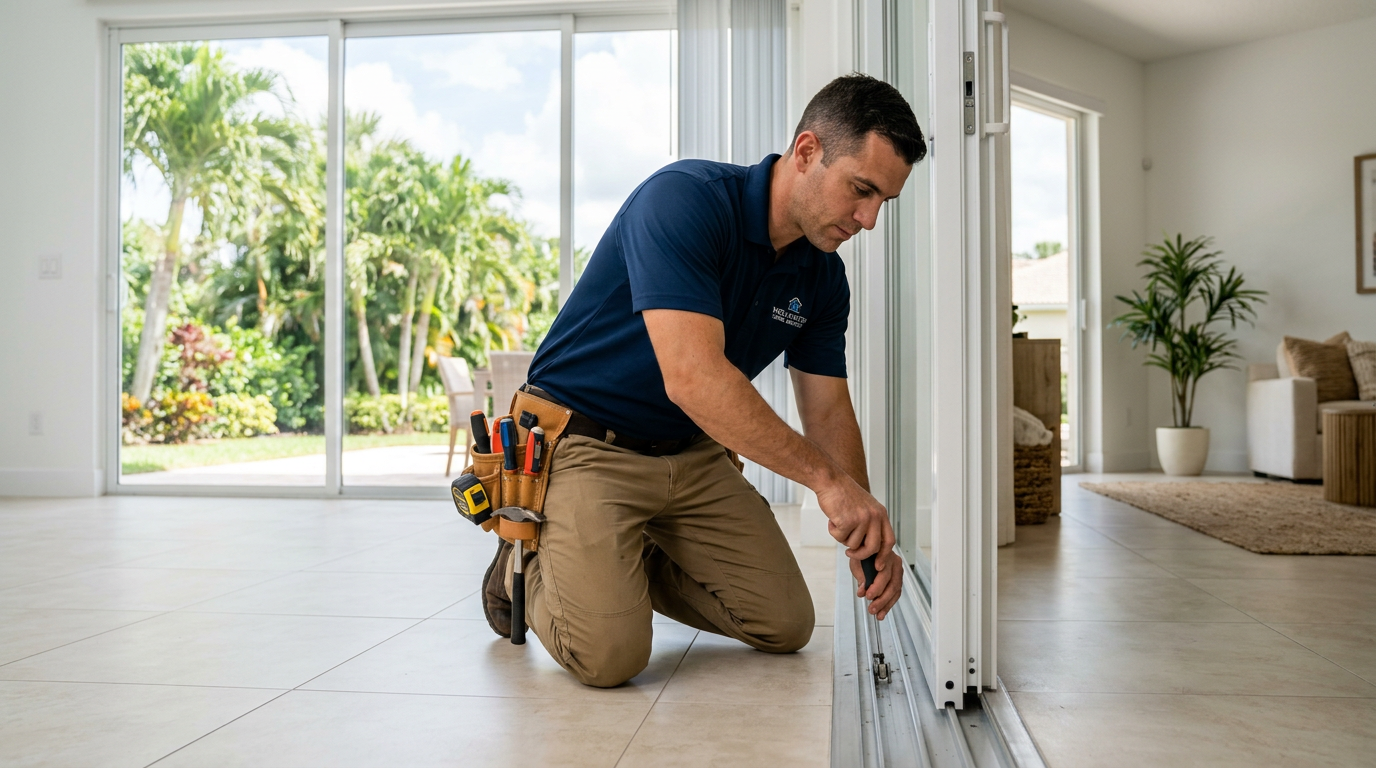
Routine professional home maintenance in Wellington, Florida costs between $1,500 and $4,200 per year for standard single-family homes, or $150 to $450 per monthly handyman visit in 2026. Homes in equestrian zones like Saddle Trail or large master-planned communities like Olympia with expansive concrete block construction (CBS) and stucco exteriors usually sit on the higher end of this scale due to rapid dust build-up, heavy summer rain, and strict HOA covenants. Performing structured monthly preventive maintenance prevents thousands of dollars in emergency repairs caused by moisture intrusion, salt air oxidation, and tropical storms.
Why Wellington Homes Require a Localized Maintenance Schedule
Maintaining a property in Wellington is fundamentally different from caring for a residence in temperate northern climates. The sub-tropical climate of Palm Beach County brings extreme solar radiation, intense seasonal rain, sustained summer relative humidity above 80%, and the annual threat of tropical storms and hurricanes.
Most homes in neighborhoods such as Sugar Pond Manor, Wellington Edge, and the Aero Club feature concrete block construction (CBS) topped with smooth or textured stucco finishes and clay or concrete barrel tile roofs. While CBS homes offer exceptional structural strength against high winds, stucco is naturally porous and prone to thermal expansion cracks. When left unsealed, summer cloudbursts drive moisture through these tiny fissures directly into wall cavities, blistering interior paint and rotting furring strips.
Furthermore, Wellington's unique mix of suburban gated communities and equestrian properties creates micro-environmental challenges. Fine sand and horse arena dust coat outdoor light fixtures, settle into sliding door tracks, and clog exterior drainage systems. Adhering to a month-by-month checklist tailored specifically to South Florida weather ensures your home remains structurally sound, energy-efficient, and fully compliant with strict local Architectural Review Board (ARB) standards.
The South Florida Seasonal Calendar: Month-by-Month Guide
Dry Season: January through March
South Florida’s dry season features mild temperatures, low relative humidity, and minimal rainfall. This quarter presents the ideal opportunity to inspect exterior structural elements and address indoor comfort fixtures without struggling against summer downpours.
- January: Stucco and Exterior Envelope Inspection
- Walk the perimeter of your home to inspect the stucco wall surface. Look for hairline settling cracks, particularly around window frames, hose bibs, and door corners.
- Seal small exterior cracks using a elastomeric masonry sealant before the spring rains begin.
- Inspect exterior caulking around hose penetrations and electrical conduit boxes.
- February: Exterior Doors and Threshold Servicing
- Examine bottom sweeps and weatherstripping on entry doors, side garage doors, and patio doors. Salt air and solar heat cause rubber gaskets to dry out, split, and lose their airtight seal.
- Lube door hinges with silicone spray to prevent corrosion from humidity.
- If drafty or sticking doors require structural realignment, consider professional door repair to secure your home’s thermal envelope before peak cooling season arrives.
- March: Fan Direction and Ceiling Fixture Tune-Up
- Reverse your ceiling fan blade rotation to counter-clockwise to prepare for warmer spring days, creating a cool down-draft.
- Check for wobbly fan motor housings and loose electrical mounting boxes caused by continuous vibration.
- Upgrade aging or unstable overhead fans with specialized outdoor-rated damp/wet models via a professional ceiling fan installation to ensure safety and comfort.
Key takeaway: Catching minor hairline cracks in Wellington stucco during the dry winter months prevents heavy June downpours from intruding into interior drywall and causing hidden mold growth.
Pre-Hurricane & Spring Transition: April through May
As temperatures climb in late spring, humidity rises and afternoon rain showers begin returning to Palm Beach County. April and May are critical months for tropical storm preparation.
- April: Window Seals, Tracks, and Impact Glass Checks
- Clean sand, dirt, and equestrian dust from sliding glass door and window tracks using a hard-bristle brush and vacuum. Blocked weep holes lead to internal floor flooding during heavy downpours.
- Inspect the rubber gaskets along window glass frames for cracking or shrinkage.
- If you notice draft leaks, fogged double-panes, or damaged track hardware, schedule a complete window repair before storm season officially opens on June 1.
- May: Roof Drainage, Gutters, and Perimeter Structures
- Clear fallen leaves, palm fronds, and debris from gutters and roof valleys to ensure unimpeded water flow away from your foundation.
- Verify downspouts direct water at least three feet away from your home's concrete footings.
- Inspect perimeter wood, vinyl, or aluminum fencing for rot, rusted fasteners, or loose posts caused by soil shifts. Ensure safety by scheduling an early fence repair to prevent loose fence panels from turning into flying projectiles during tropical force winds.
Rainy & Hurricane Season: June through September
June marks the start of South Florida’s monsoon season, bringing near-daily thunderstorms and high heat. Indoor humidity control and rapid storm defense are top priorities.
- June: Roof Leak Audits and Interior Drywall Checks
- Inspect interior ceilings, upper wall angles, and window headers for brown water stains or soft drywall texture following early summer storms.
- Check garage walls and attic access hatches for visible moisture or dark mold spores.
- Address water-damaged ceilings or crumbling sheetrock promptly with expert drywall repair to maintain structural integrity and indoor air quality.
- July: Indoor Air Quality & Moisture Control Audit
- Clean or replace air conditioner filters every 30 days during peak summer run-time.
- Pour a cup of plain white vinegar down your AC condensate drain line to prevent algae buildup and drain pan overflows.
- Inspect silicone seals around bathroom tubs, glass enclosures, and sinks. Worn caulking allows humid indoor air and splash water to rot underlying greenboard wall backing.
- August: Mid-Season Storm Preparedness & Exterior Hardware
- Test operation of hurricane shutter tracks, panel wing-nuts, or motorized Kevlar screens.
- Inspect outdoor security lights and landscape illumination. If fixtures are corroded by moisture or salt spray, schedule a light fixture installation for upgraded, corrosion-resistant LED fixtures.
- September: Peak Storm Watch & Exterior Wash Down
- Perform immediate post-storm inspections of soffits, fascia, and roof tiles following severe weather events.
- Rinse organic salt spray, pollen, and mud off exterior walls, decorative trim, and aluminum screen enclosures to limit chemical damage to exterior paint coatings.
Key takeaway: Wellington HOAs in communities like Olympia and Grand Prix Village issue quick violation notices when summer mildew stains driveways or stucco—scheduling routine maintenance keeps you compliant year-round.
Autumn & Snowbird Transition: October through December
As hurricane season winds down in late autumn, temperatures moderate, making October through December the perfect timeframe for heavy cleaning, property restoration, and seasonal preparation.
- October: Surface Mildew Removal and Deck Maintenance
- Pressure wash mold, algae, and atmospheric grime off concrete driveways, entry walkways, and pool decks.
- Use eco-friendly anti-fungal treatments to retard black algae growth on shaded north-facing walls.
- Schedule professional pressure washing for high-pitch roofs or delicate paver surfaces to ensure deep cleaning without damaging tile glazes or paver sand.
- November: Exterior Surface Protection & Seasonal Upgrades
- Check wood decks, pergolas, and decorative wood trim for signs of termite damage or severe solar bleaching.
- Apply exterior-grade sealers or marine-grade paints to exposed timber surfaces.
- Enlist ongoing property maintenance support to manage curb appeal for arriving family, seasonal guests, or snowbird returns.
- December: Year-End Utility and Hardware Audit
- Test ground-fault circuit interrupter (GFCI) outlets in kitchens, bathrooms, garages, and outdoor living areas.
- Lubricate cabinet hinges, door latches, and sliding closet tracks throughout the home interior.
- Check water heater pressure relief valves and inspect supply lines under sinks for slow pinhole leaks.
Estimated Home Maintenance Costs in Wellington (2026)
Budgeting for local home maintenance requires understanding realistic pricing for the Wellington and Palm Beach County market. Below are standard cost ranges for frequent maintenance tasks in 2026:
| Maintenance Task | Typical Frequency | Estimated 2026 Local Cost Range |
|---|---|---|
| Stucco Hairline Crack Repair & Sealing | Bi-Annually | $200 – $550 |
| Driveway, Patio & Walkway Pressure Washing | Bi-Annually | $250 – $450 |
| Window Track Clearing & Weatherstripping | Annually | $175 – $350 |
| Drywall Patching & Water Spot Restoration | As Needed | $225 – $600 |
| Fence Fastener & Structural Panel Repair | Annually | $200 – $500 |
| Ceiling Fan Replacement / Retrofitting | As Needed | $150 – $325 per fan |
| Comprehensive Monthly Handyman Retainer | Monthly | $150 – $400 / month |
Navigating Wellington HOA Covenants and Building Codes
Homeowners residing within Wellington's planned developments must remain mindful of both strict HOA guidelines and Palm Beach County building codes. Communities such as Olympia, Wellington Edge, and Aero Club maintain detailed rules regarding architectural modifications, exterior paint palette choices, and overall property cleanliness.
Failing to address exterior mildew, damaged window screens, or rotting fence pickets can result in monetary fines from HOA compliance committees. Furthermore, any structural alterations or exterior fixture replacements must adhere to Florida Building Code wind-load resistance requirements. Partnering with a skilled handyman who understands local rules ensures all maintenance work is completed cleanly, safely, and in full compliance with neighborhood standards.
Whether you live in a single-family home near Lake Wellington or a larger property on the outskirts of West Palm Beach, maintaining a consistent maintenance routine is the most effective way to preserve your home’s market value and enjoy peace of mind through every season. If you need help staying on top of your monthly checklist in Wellington, calling in professional support ensures every job is done right the first time.
Get a free estimate
Keep your home safe, beautiful, and fully protected against South Florida’s unpredictable climate. Contact Palm Handyman today for a free estimate on your routine property maintenance, exterior repairs, and indoor fixture upgrades. Call us directly at (561) 299-0890 or book your appointment online at /book.
Need a handyman in Palm Beach County?
Get a free written estimate in minutes. Same-day appointments available across PBC.
Related services
Frequently asked questions
Most jobs start at $95 for the first hour with transparent flat-rate pricing on common tasks like TV mounting ($129), ceiling fans ($149), and drywall patches ($95). You'll always get a clear quote before any work begins — no hidden fees.
Yes. We reserve same-day and next-day appointments across Boca Raton, Delray Beach, Boynton Beach, West Palm Beach, Palm Beach Gardens, Jupiter, Lake Worth, and Wellington. Call us before noon for same-day availability.
Absolutely. Palm Handyman is fully licensed in Florida and carries $2M general liability plus workers' comp on every technician. We'll send the COI directly to your HOA or property manager on request.
We cover all of Palm Beach County including Boca Raton, Delray Beach, Boynton Beach, West Palm Beach, Palm Beach Gardens, Jupiter, Lake Worth, Wellington, Palm Beach Island, Manalapan, and Highland Beach.